Thinking about buying a vacation rental on St. George Island? You are not alone. This stretch of Florida’s Forgotten Coast attracts travelers who want beach days, fishing trips, birding, paddling, and a slower coastal pace, which makes it a market many first-time rental buyers want to understand. If you are just getting started, this guide will help you think through guest demand, seasonality, property features, local rules, and ownership basics so you can make a more confident decision. Let’s dive in.
Why St. George Island Appeals to Rental Buyers
St. George Island is a barrier island in unincorporated Franklin County, and its appeal is closely tied to its natural setting. Local tourism sources describe it as a relatively undeveloped beach destination with everything from classic cottages to luxury beachfront homes.
That matters because your rental strategy here is usually built around outdoor experiences, not urban convenience. Visitors come for the beach, fishing, kayaking, shelling, birding, and time outside, so homes that support that lifestyle tend to fit the market best.
What draws guests to the island
The island is known for 22 miles of serene, pet-friendly beaches, soft white sand, and gentle surf. Public beach areas also offer amenities like bathhouse facilities, pavilions, a playground, and a ball court, which can add convenience for vacationers.
Beyond the beach, St. George Island State Park highlights fishing, paddling, hiking, shelling, and stargazing. The park also notes that almost 300 bird species have been documented there, which helps explain why birders and nature-focused travelers return in multiple seasons.
Tourism materials also point to the lighthouse, family vacations, fishing trips, romantic getaways, snowbird stays, and annual events across Franklin County. In other words, this is not a one-note beach market. It attracts several types of visitors, and that gives buyers more than one way to position a property.
Know Your Likely Guest
One of the first questions to ask is simple: Who is this property most likely to attract? A beginner mistake is assuming every home on the island should follow the same short-term rental playbook.
Some homes may appeal most to beach-focused families. Others may be a better fit for anglers, pet owners, snowbirds, or travelers who want a quieter, experience-driven coastal stay.
Common guest types on St. George Island
- Beach vacationers looking for easy beach access
- Nature travelers interested in birding, shelling, paddling, and stargazing
- Anglers planning fishing-focused trips
- Pet owners seeking pet-friendly beach destinations
- Winter visitors looking for longer seasonal stays
When you evaluate a property, try to match the home to one or two of these groups. A clear fit is often more useful than a generic strategy.
Seasonality Matters More Than You Might Think
Many first-time buyers expect coastal rentals to revolve around one short summer rush. On St. George Island, the demand picture appears broader than that.
Official sources point to summer beach travel, sea-turtle and shorebird nesting activity in warmer months, spring and fall bird migration, and winter snowbird travel. While that is not the same as a county occupancy study, it does suggest a market with summer peaks, useful shoulder seasons, and a winter base of longer-stay guests.
What that means for owners
If you buy with only July in mind, you may miss the bigger picture. A strong rental property here may need to perform across different visitor patterns, not just peak beach weeks.
That can influence how you furnish, market, and manage the home. For example, longer winter stays may value comfort and practicality, while spring and fall visitors may care more about outdoor access, storage for gear, and a quiet location near nature-focused activities.
Property Features That Support Rentals
Because this is a beach and nature market, the best-performing properties often make coastal living easy. Buyers should look closely at features that improve guest convenience, support easier maintenance, and make the home more resilient in a barrier-island environment.
Features worth prioritizing
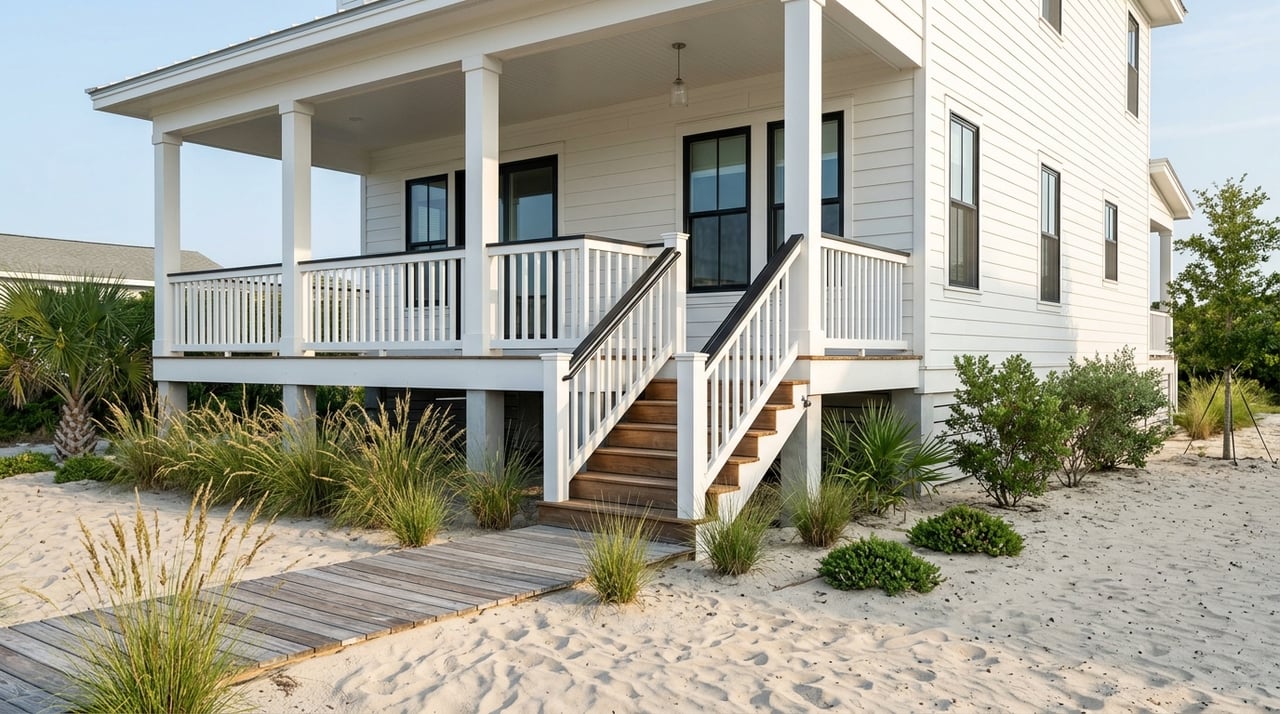
- Quick or convenient beach access
- Enough parking for expected guest use
- Multiple bedrooms and baths for group travel
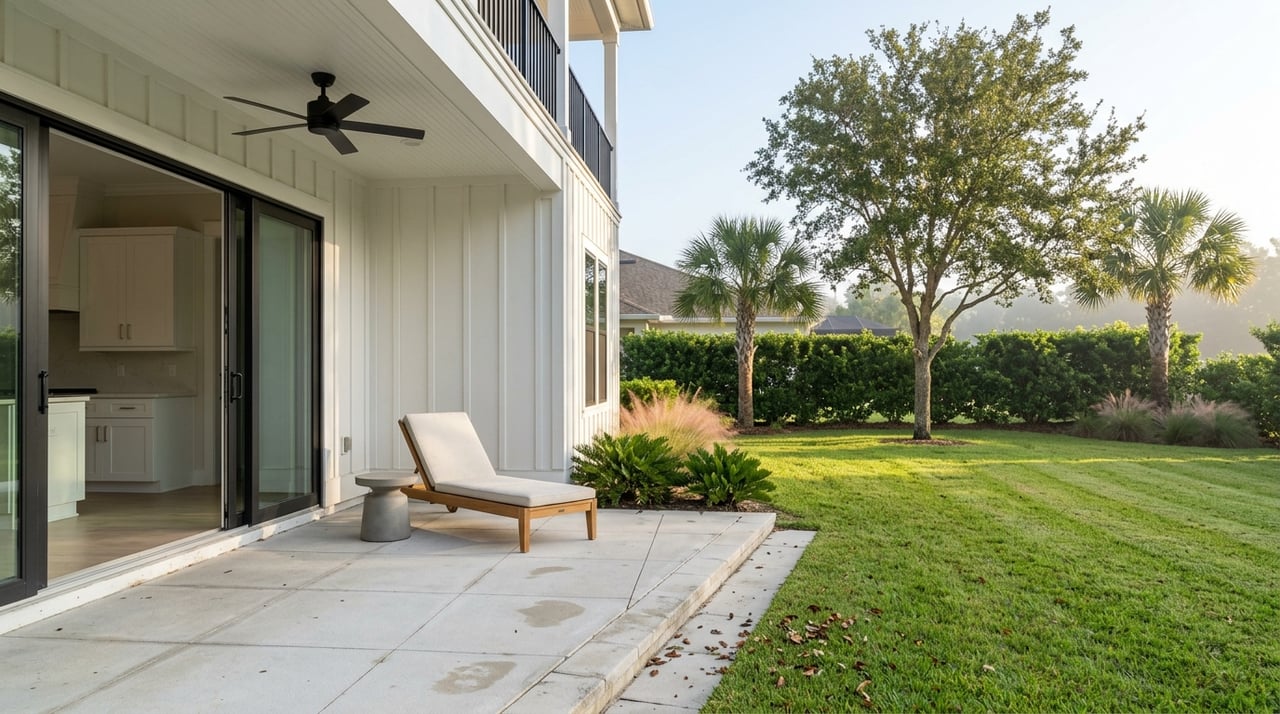
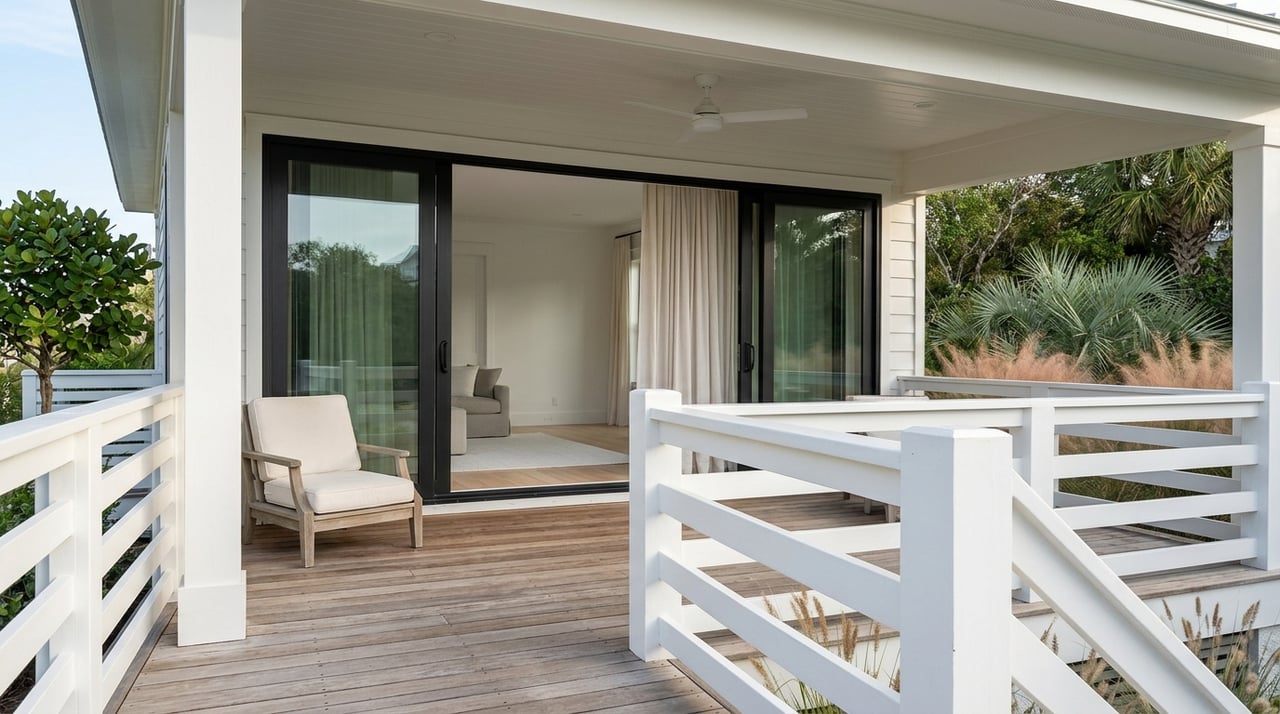
- Outdoor living areas such as porches, decks, or balconies
- Finishes that can better handle sand, salt air, and frequent turnover
These are not county requirements. They are practical considerations based on how guests use the island and how vacation rentals typically operate.
Pet-friendly can be a meaningful advantage
Pet-friendly policies can widen your guest pool because many Franklin County beaches allow leashed pets. That said, buyers should understand the local beach rules around the specific area they plan to serve.
One important detail is that the main state park beach does not allow pets on the sand. If you plan to market a home to pet owners, your house rules and guest communication should line up with nearby beach access rules.
Location Still Drives Rental Potential
Not every island property competes the same way. A home’s proximity to the beach, public access points, the lighthouse, and other core draws can shape both guest appeal and the type of stay you are likely to attract.
This does not mean every successful rental must be beachfront. It does mean you should think carefully about convenience, setting, and how the location fits the guest profile you want to serve.
Questions to ask about location
- How easy is it to get to the beach from the property?
- Is the home near public access areas or popular island landmarks?
- Does the setting fit families, anglers, pet owners, or longer-stay guests?
- Will guests see the location as convenient for the kind of trip they are planning?
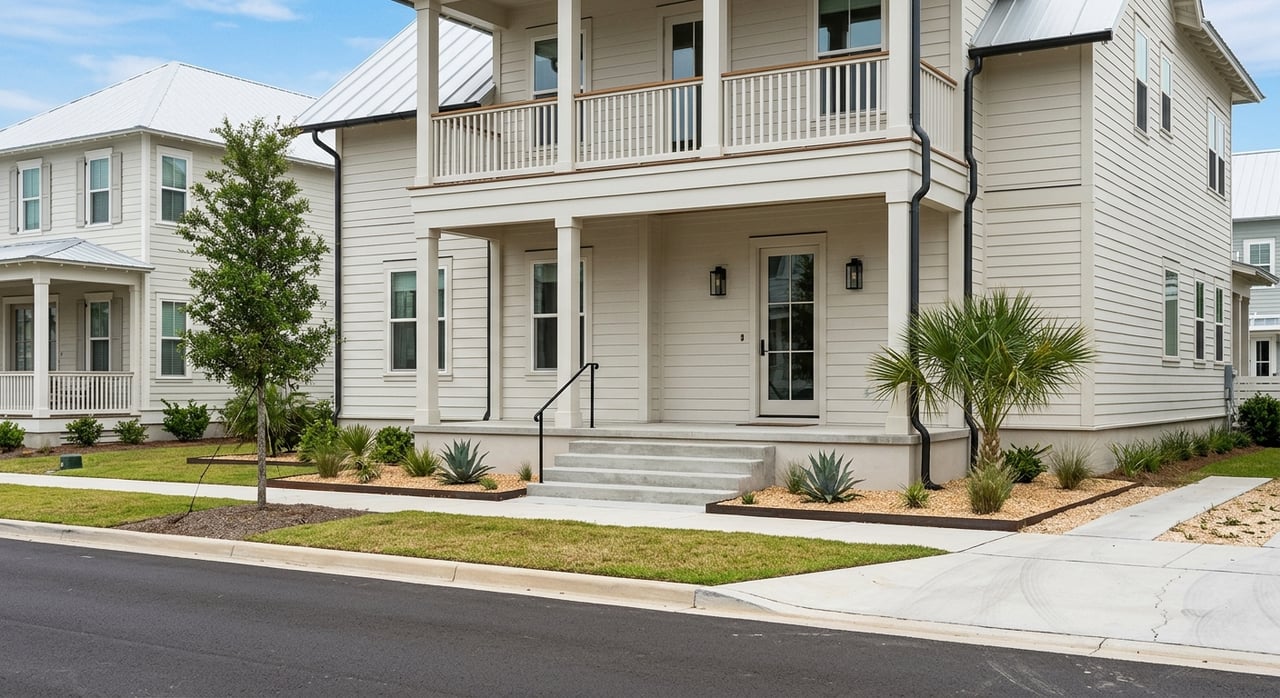
A cottage near beach access may compete differently than a large beachfront home, but both can make sense if the pricing, layout, and guest expectations match.
Understand Flood and Insurance Early
On St. George Island, flood and insurance questions should be part of your first review of a property, not something you save for later. Franklin County notes that Gulf and bay exposure increases flood risk from storm surge and prolonged heavy rain.
That makes elevation, flood zone, wind mitigation, and repair history important factors for both financing and day-to-day ownership. On a barrier island, these details can directly affect your operating costs and the ease of keeping a property guest-ready.
Barrier-island ownership basics to review
Before you move forward, ask about:
- Flood zone designation
- Elevation details
- Current and projected insurance costs
- Wind mitigation features
- Past storm or water-related repairs
- Ongoing maintenance expectations for a coastal home
For first-time buyers, this step can be one of the biggest differences between a property that looks good on paper and one that works well in real life.
Local Rules and Taxes to Know
Beginners often assume the local licensing path is simple and the same everywhere. St. George Island has some local specifics you need to understand because it is in unincorporated Franklin County.
Franklin County’s current guidance says the county does not issue business tax receipts for short-term rentals. So if you are building a checklist, do not assume a county business license is part of the process.
What owners generally need before operating
Instead, state-level requirements are key. Florida DBPR requires a vacation rental dwelling or condo license before operation, and Florida Department of Revenue registration is required to collect and remit tax on short-term living accommodations.
Florida tax rules also matter. Rentals of six months or less are considered transient rentals, and current Florida Department of Revenue rate tables show Franklin County living-and-sleeping accommodations at 10.5%.
Because older information may still show a lower combined rate, it is important to work from current figures when you estimate expenses and compliance needs.
Property Management Can Make Ownership Easier
If you live out of town, or simply want a more hands-off experience, a local property manager may simplify operations. For many investors, this is one of the most important parts of making a St. George Island rental workable.
A good manager can help coordinate the tasks that keep the property compliant, clean, and ready for guests. That support may be especially useful in a market where turnovers, beach wear, and weather-related maintenance all require consistent attention.
Questions to ask a local manager
- Can you help with licensing and tax registration?
- Do you handle tax filing and owner statements?
- How do you coordinate housekeeping and turnovers?
- Are pre-arrival inspections part of your process?
- How do you respond to guest issues during a stay?
- Will I need separate vendors for maintenance or compliance tasks?
If you own more than one unit, Florida Department of Revenue also allows collective registration for transient rentals through Form DR-1C. That may be especially relevant for owners building a small portfolio or working with a management company across multiple properties.
A Simple Starter Checklist for Buyers
If you are new to St. George Island rentals, try using this framework when comparing homes:
- Identify the likely guest. Decide whether the property best fits families, anglers, pet owners, birders, or snowbirds.
- Check the location. Look at beach access, convenience, and proximity to core island draws.
- Review the layout. Consider bedrooms, baths, parking, and outdoor space.
- Study barrier-island risks. Verify flood zone, elevation, insurance, and repair history.
- Confirm operating requirements. Review DBPR licensing and Florida tax registration needs.
- Plan your management approach. Decide whether you will self-manage or use a local company.
- Match rules to the guest experience. Especially for pets, make sure your policies fit local beach rules.
A beginner-friendly rental purchase is usually not the one with the flashiest photos. It is the one where guest demand, location, operations, and ownership costs all make sense together.
Final Thoughts on Buying a Rental Here
St. George Island can be an appealing rental market because it draws visitors in more than one season and offers a coastal experience centered on the beach and the outdoors. But buying well here means looking past the view alone.
You will want to understand who the property serves, how the location competes, what flood and insurance realities look like, and whether your management plan is practical from day one. If you take that approach, you will be in a much better position to choose a property that supports both your goals and the guest experience.
If you are thinking about buying, selling, or comparing rental-friendly properties along the Forgotten Coast, Margaret Buell-D'Ambrosi can help you evaluate your options with local insight and a clear, practical strategy.
FAQs
What makes St. George Island appealing for vacation rentals?
- St. George Island attracts visitors with beaches, fishing, birding, paddling, shelling, stargazing, the lighthouse, and seasonal travel patterns that extend beyond peak summer.
What types of guests usually visit St. George Island rentals?
- Common guest groups include beach vacationers, anglers, nature travelers, pet owners, and winter visitors looking for longer stays.
What property features matter most for St. George Island rentals?
- Features that often support bookings include beach access, adequate parking, multiple bedrooms and baths, outdoor living space, and durable finishes suited to sand and salt air.
Are pets allowed at St. George Island beaches for rental guests?
- Many Franklin County beaches allow leashed pets, but the main state park beach does not allow pets on the sand, so owners should align house rules with nearby beach access rules.
What should buyers know about flood risk for St. George Island rentals?
- Franklin County notes flood risk from storm surge and prolonged heavy rain, so buyers should review flood zone, elevation, wind mitigation, insurance, and repair history early in the process.
Does Franklin County require a business tax receipt for St. George Island short-term rentals?
- Franklin County says it does not issue business tax receipts for short-term rentals, but owners still need to review Florida DBPR licensing and Florida Department of Revenue tax registration requirements.
What tax rate applies to St. George Island transient rentals?
- Current Florida Department of Revenue rate tables show Franklin County living-and-sleeping accommodations at 10.5% for qualifying transient rentals.
Should a beginner use a property manager for a St. George Island rental?
- Many first-time or remote owners find local management helpful for handling turnovers, inspections, guest issues, and compliance-related tasks.