Gulfside or bayside? Raised beach house or a bayside dock for your kayak? Choosing a home on Cape San Blas asks you to balance lifestyle, risk, utilities, and rental goals. If you love this stretch of the Forgotten Coast but feel unsure where to start, you’re in the right place. In this guide, you’ll learn the key tradeoffs, what to verify before you write an offer, and how to match neighborhoods to your goals. Let’s dive in.
Cape San Blas at a glance
Cape San Blas is a narrow peninsula in Gulf County that separates the Gulf of Mexico from St. Joseph Bay. That geography creates two distinct waterfront experiences: the wave-facing Gulf and the calmer, protected bay. At the tip, T. H. Stone Memorial St. Joseph Peninsula State Park offers miles of natural beach, camping, and a boat launch, which adds big lifestyle value if you want nature at your doorstep.
Most everyday services sit in Port St. Joe, and you reach the Cape via Cape San Blas Road (CR/SR‑30E). When you compare homes, keep drive time and evacuation routes in mind, especially if you plan to live here full time or visit often.
Gulfside vs. bayside: what fits you
Gulfside: surf, views, rental appeal
Gulfside homes sit on or near the Gulf of Mexico. You get direct beach access, wide sandy shoreline, and sunset views. Many homes are elevated on pilings and used as second homes or vacation rentals. Gulffront and first‑tier lots command a premium.
On the flip side, gulfside property sees more exposure to surf, dune migration, erosion, and storm surge. Plan for higher insurance and maintenance reserves, and confirm setback and rebuilding rules before you buy.
Bayside: calm water and boating
Bayside homes face St. Joseph Bay, known for gentler water that’s great for kayaking, boating, and scalloping. Lots are often deeper, and some parcels allow private docks. Bayside locations can mean a little less surf and erosion exposure, but they still face hurricane surge and tidal flooding, so flood diligence is essential.
If a dock, calm-water access, or quick trips to a public launch matter to you, bayside living is a strong fit.
Amenity communities and HOAs
You’ll also find subdivisions with shared amenities and, in some cases, community sewer. These neighborhoods can simplify utilities and maintenance but may carry HOA rules, design standards, and rental restrictions. Always review covenants, rental rules, and what the HOA fee covers before you decide.
Prices, styles, and lots
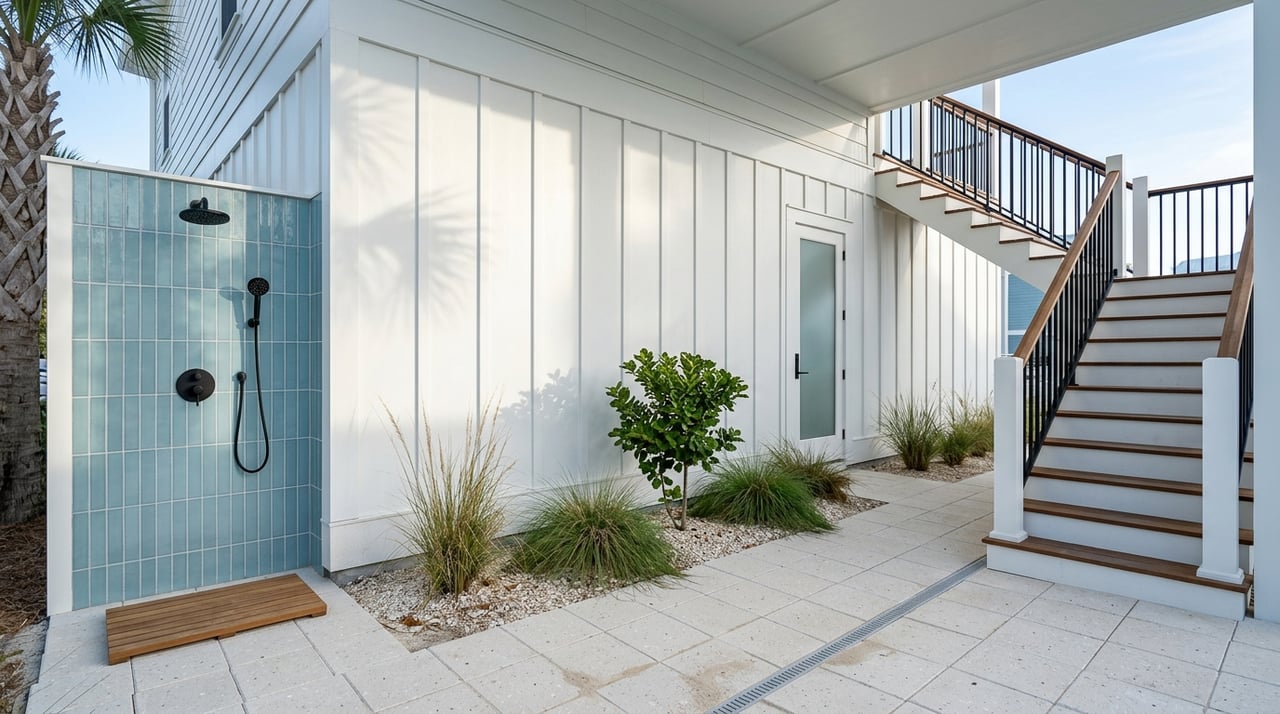
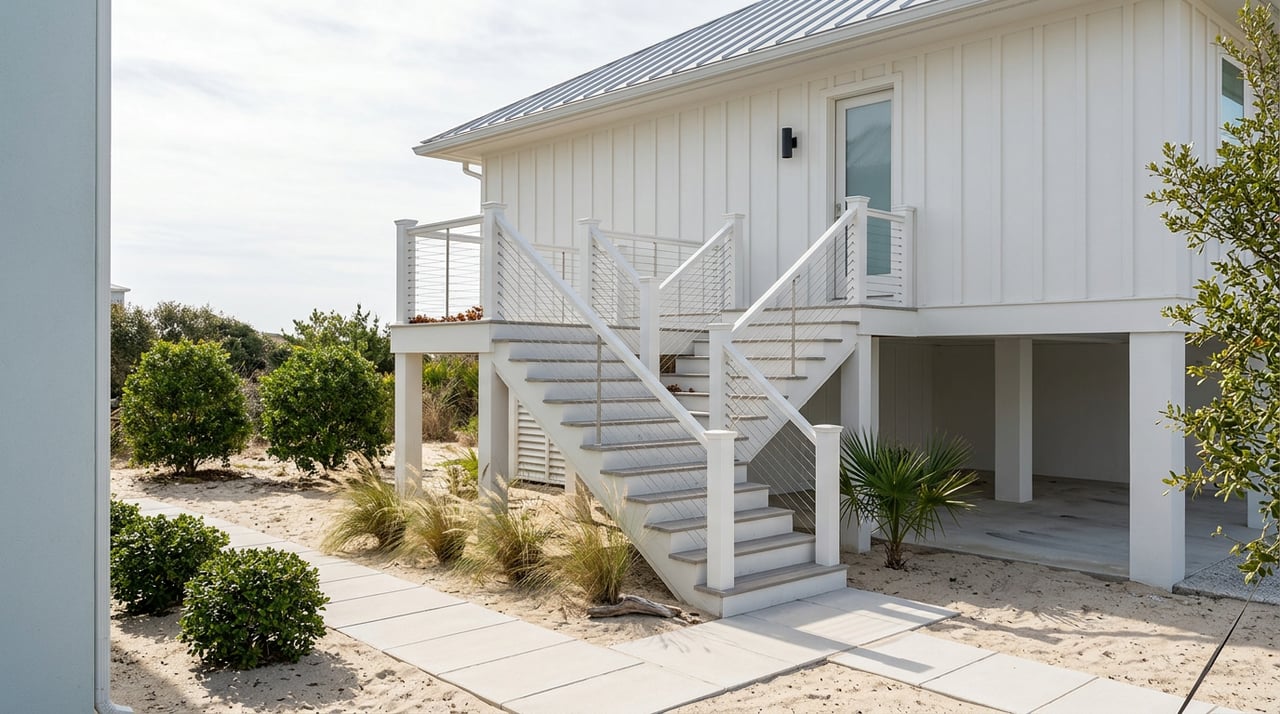
The 32456 market spans cozy beach cottages and newer luxury homes. Many gulfside homes feature elevated construction, metal roofs, and coastal materials. Bayside and interior homes may include slab or block construction and a mix of ages.
Median prices vary by source and season because the sample size is small and sales split between vacation and primary homes. Recent snapshots show medians in the mid‑$500s, but it is smart to confirm current trends with a local expert.
Lot types differ by side and street position. Gulffront and first‑tier parcels are scarcer and often priced by linear feet of frontage. Second‑tier and gulf‑view lots sit behind the dunes. Bayside parcels are often deeper with potential for dockage where allowed. Always check the plat, flood zone, and buildability before you buy.
Risk and rules to factor in
Cape San Blas sits in a high coastal‑hazard environment. Expect elevated wind exposure and parcel‑by‑parcel flood variability. Review FEMA flood maps, ask for any existing Elevation Certificate, and price flood coverage into your budget.
Some tracts on the Cape fall within the Coastal Barrier Resources System (CBRS), which can affect federal flood insurance and certain federal expenditures. Check the US Fish & Wildlife Service’s background on CBRS units and then verify your parcel’s status on the official mapper. Learn more about CBRS Unit P30 context at the USFWS CBRS overview.
Construction near the shoreline is regulated. Gulf County maintains a Coastal Construction Control Line (CCCL) and coastal setbacks that govern where and how you can build or rebuild. Review the county’s CCCL information and maps before you assume a lot can be stabilized or expanded. Start with the Gulf County CCCL page.
Public agencies have also pursued beach management and renourishment projects in the St. Joseph Peninsula area. That can be a long, technical process that involves federal and state coordination. For context on how these programs are reviewed, see FEMA’s notes on beach renourishment appeals.
Utilities and services: what to verify
Sewer on the Cape is a mix. Some subdivisions and newer areas have community or public sewer taps. Many older or more remote lots use septic systems. Confirm sewer or septic on a parcel basis, and if septic, ask for the permit history and drainfield location.
Gulf County manages public water infrastructure. Before you close, confirm tap availability, capacity, and any fees with the county. For service details and billing, visit the Gulf County Water Department.
Internet and cellular coverage can vary by street and elevation. If remote work matters to you, call providers for address‑specific availability. For full‑time residents, also consider drive times to Port St. Joe services and ambulance routes.
If you plan to rent
Cape San Blas is a seasonal market with peak demand in summer, scallop season, and long holiday weekends. Shoulder seasons can be quieter than big resort areas, so plan occupancy and nightly rates accordingly.
Gulf County collects a 5% Tourist Development Tax on stays of less than 6 months. Investors must register, collect, and remit that tax and follow any local rules or HOA restrictions. For rules, forms, and tourism data that help with projections, visit the Gulf County Tourist Development Council.
How to verify a parcel in 15 minutes
Use this quick process before you make an offer:
Flood zone and elevation. Check the property’s FEMA flood zone, ask for any Elevation Certificate, and get a flood‑insurance quote if the parcel is in a high‑risk zone.
CBRS status. Confirm whether the lot falls inside a CBRS boundary and understand potential effects on federal flood insurance. Start with the USFWS CBRS overview and use the official mapper to check the parcel.
Setbacks and permits. Review coastal setbacks and permit needs for any shoreline or dune work using the Gulf County CCCL resources.
Water and sewer. Verify water tap availability and whether you have public sewer or septic by contacting the Gulf County Water Department. If septic, request the permit history and drainfield location.
Buyer checklists to focus your search
Second‑home and vacation buyer
- Decide whether views and direct beach access or calmer water and dock potential matter more. Shortlist either gulfside or bayside based on lifestyle.
- Confirm deeded vs. public beach access, parking, and boardwalk locations for guests.
- Ask for recent insurance quotes, including wind and flood, and understand any CBRS or CCCL limits.
- Review HOA covenants and rental rules if you’re eyeing an amenity community.
- For planning help, use the Gulf County CCCL resources and Water Department pages, and review rental tax rules on the Gulf County TDC site.
Full‑time resident
- Prioritize year‑round utility reliability, emergency access, and service proximity to Port St. Joe.
- Check flood history and elevation, and favor storm‑resilient construction.
- Verify sewer vs. septic and water tap capacity with the county.
- Compare drive times to healthcare and essential services before you commit.
- Use the county’s CCCL and Water Department resources for buildability and utilities, and explore the state park for everyday recreation.
Investor and STR operator
- Model revenue with seasonal swings: plan for strong summer, lighter shoulder seasons, and accurate cleaning and management fees.
- Confirm room counts, parking, and code compliance for STR use. Review HOA covenants for any rental caps or minimums.
- Budget for higher insurance and maintenance reserves on gulffront assets.
- Register for the 5% bed tax and confirm collection and remittance steps.
- Use the Gulf County TDC for tax and tourism data, and verify site buildability and utilities through county CCCL and water resources.
Bringing it all together
Choosing the right home on Cape San Blas starts with a simple filter: gulfside for surf and views with higher exposure, or bayside for calm water, deeper lots, and boating access. From there, verify flood zone, CBRS status, and setbacks, then confirm utilities and rental rules. A little upfront diligence will save you time and surprises later.
Ready to compare specific streets and subdivisions or want a quick read on today’s pricing? Reach out to Margaret Buell-D'Ambrosi for local guidance, private tours, and a clear plan to secure the right Cape San Blas home for your goals.
FAQs
What is the difference between gulfside and bayside on Cape San Blas?
- Gulfside offers direct beach access, wave action, and premium views with higher erosion and storm exposure; bayside offers calmer water, deeper lots, and potential for docks with surge and tidal‑flood considerations.
How do flood zones and CBRS affect buying and insurance on the Cape?
- Flood zones drive insurance costs and build requirements, and CBRS boundaries can affect eligibility for certain federal flood insurance, so verify both before you make an offer.
What should I know about septic vs. sewer on the Cape?
- Some subdivisions have community or public sewer, while many lots use septic; confirm service type, permit history, and any tap fees with Gulf County before closing.
Are short‑term rentals allowed on Cape San Blas, and what taxes apply?
- Short‑term rentals are common but subject to county and HOA rules, and stays under 6 months are subject to a 5% Tourist Development Tax that owners must collect and remit.
How does the state park influence life at the tip of the Cape?
- St. Joseph Peninsula State Park preserves natural shoreline, offers public recreation, and shapes land use near the tip, adding outdoor amenities for nearby homeowners.
What home styles are common on Cape San Blas?
- You’ll see elevated gulfside homes with coastal materials, plus bayside and interior homes ranging from classic cottages to newer construction, reflecting different eras and needs.