Thinking about buying a vacation rental on Cape San Blas? It is easy to see the appeal. You get a laid-back coastal setting, strong guest interest in beach homes, and a market shaped by nature, not high-rise resort crowds. If you are considering a purchase in the 32456 area, this guide will help you understand what makes the area attractive, what guests expect, and what costs and rules you need to plan for before you buy. Let’s dive in.
Why Cape San Blas Appeals to Vacation Rental Buyers
Cape San Blas offers a different kind of beach experience. According to Gulf County tourism information, the area is known for fishing, kayaking, paddle boarding, biking, hiking, the 8.7-mile Loggerhead Trail, and access to T.H. Stone Memorial St. Joseph Peninsula State Park, which includes 1,900 acres of beaches and trails.
That matters if you are buying with rental demand in mind. Many guests come here for a quiet, low-rise, nature-focused stay rather than a dense resort environment. If your goal is to own a property that fits a relaxed beach-and-bay lifestyle, Cape San Blas may line up well with what travelers are already seeking.
Seasonality Shapes Rental Strategy
Cape San Blas is not just a summer destination. Gulf County notes that January through March can bring cooler mornings, quiet beaches, and a full calendar for returning winter guests, according to its seasonal visitor information.
For you as an owner, that can support a broader booking window than many buyers expect. Instead of focusing only on peak summer weeks, it may make sense to evaluate how your property could appeal to winter visitors, couples, and small groups looking for a slower coastal stay.
Summer still brings strong interest, but it also comes with more weather changes and added beach-safety considerations. Gulf County also notes that there are no lifeguards on public beaches and highlights turtle-related coastal efforts from May 1 through Oct. 31 in its beach and seasonal guidance.
What Guests Want in Cape San Blas Rentals
A vacation rental here needs to do more than provide a place to sleep. Based on Gulf County vacation rental listings and tourism pages, guests are drawn to features that make beach trips easier, more comfortable, and more flexible for groups.
The most marketable features often include:
- Gulf-front or beach-view locations
- Private pools
- Elevators
- Multiple bedrooms
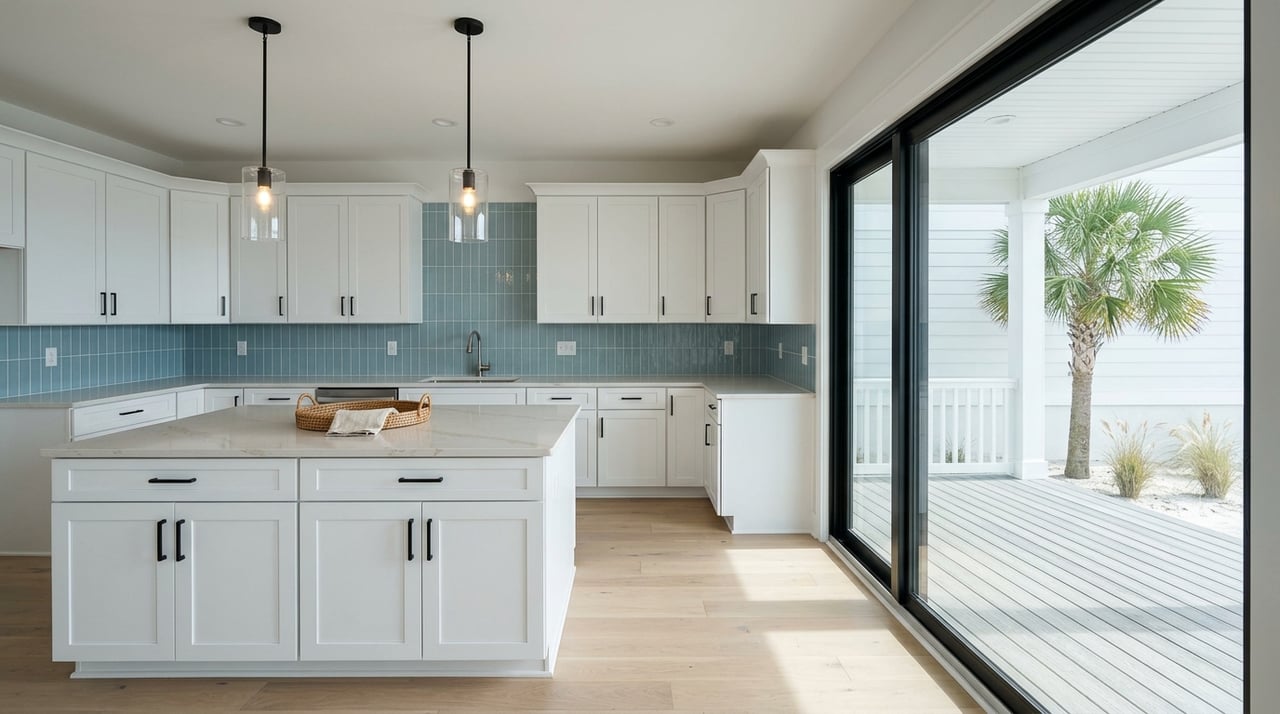
- Screened porches or decks
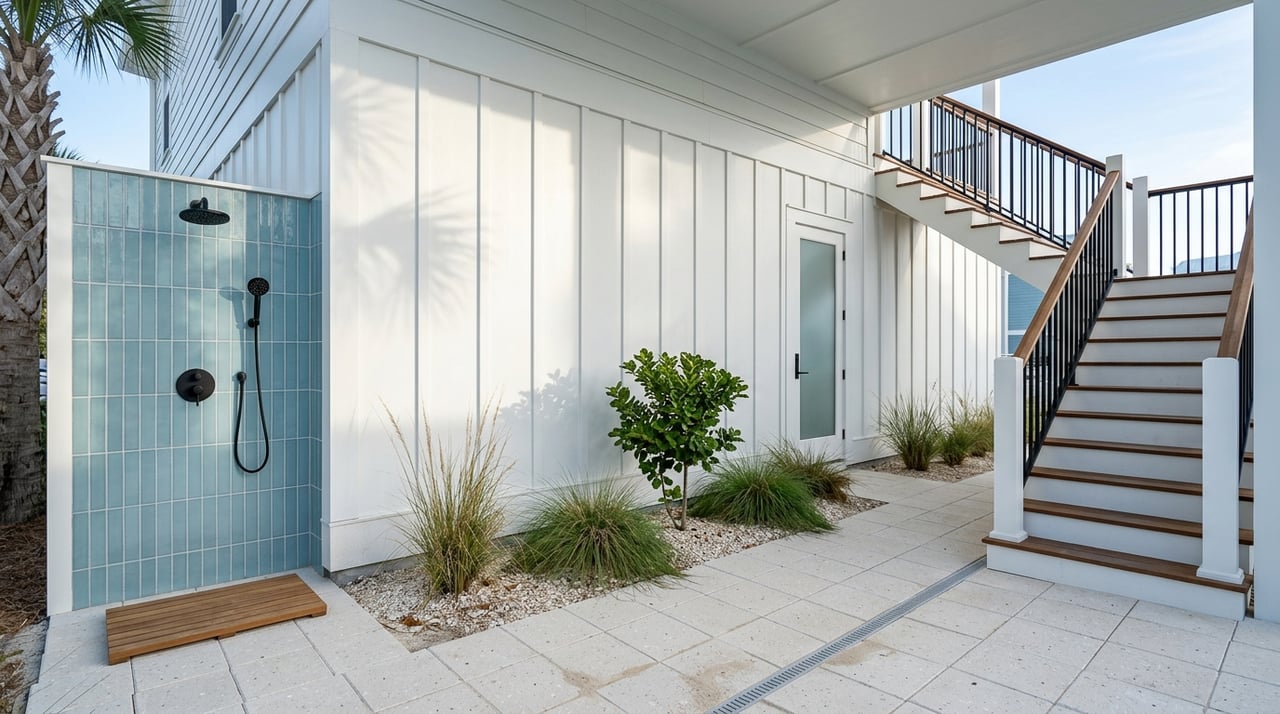
- Outdoor showers
- Grills
- Washer and dryer
- High-speed Wi-Fi
- Easy beach access
- Extras like beach chairs, coolers, toys, kayaks, paddleboards, and baby gear
If you are comparing properties, this list is useful because it shows what guests are already responding to in the local market. In many cases, convenience and usability can matter as much as square footage.
Beach Access Can Be a Booking Advantage
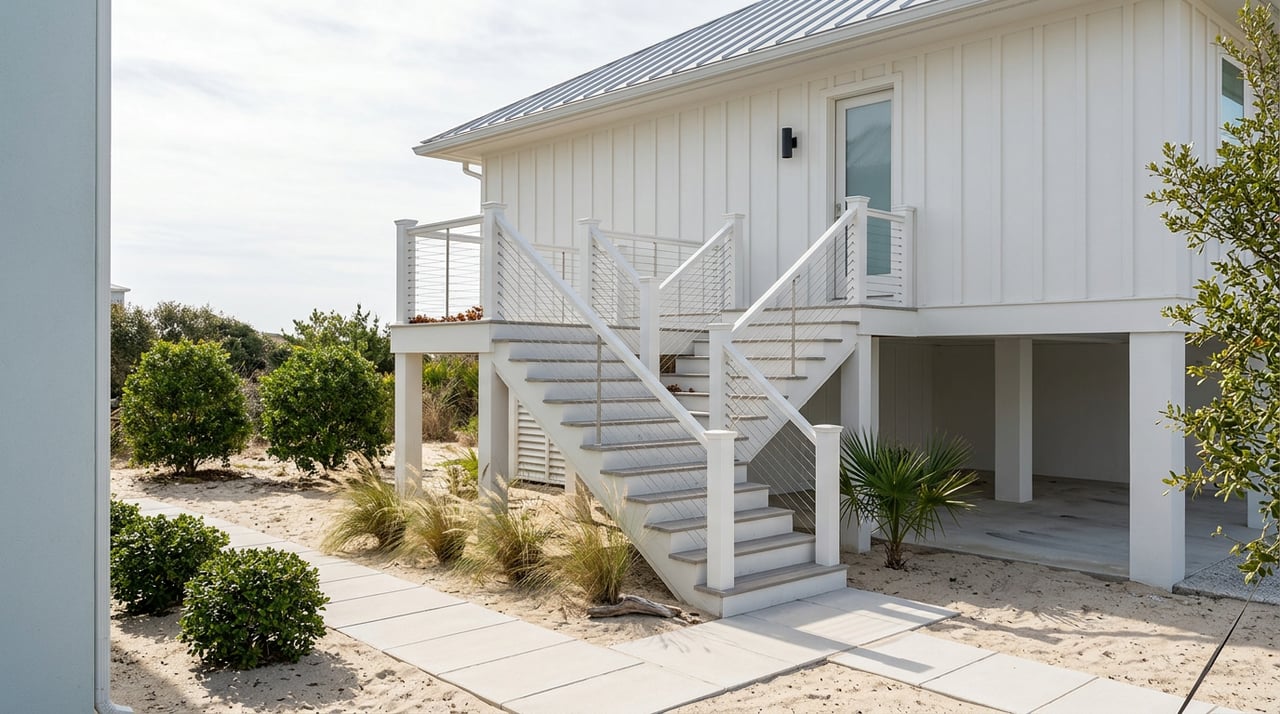
On Cape San Blas, the path from the house to the sand matters. Gulf County promotes public beach access points, Mobi Mats, and beach-wheelchair access at select facilities, which shows how important convenience is to the visitor experience.
For you, that means a home with straightforward beach access, good parking, rinse-off areas, and room for gear may stand out. Guests often remember how easy the stay felt, not just how the photos looked online.
Pet-Friendly Can Help, But Rules Matter
Pet-friendly vacation rentals can fill an important niche. Gulf County says pets are welcome on most public beaches only when leashed, but they are not allowed at St. Joseph Peninsula State Park, William J. Billy Joe Rish Recreation Area, or Eglin Air Force Base property, according to the county’s pet-friendly beach rules.
If you are considering a pet-friendly setup, you need clear house rules and a plan for turnover cleaning. Pet-friendly can be a real differentiator, but only if you are prepared to manage it responsibly and communicate local rules clearly to guests.
Licensing and Taxes to Understand Before You Buy
Before you close on a vacation rental, make sure you understand the regulatory side of ownership. Gulf County provides a Short-Term Rental Business License portal, and the county building department directs owners and managers to licensing materials and inspection records.
At the state level, Florida DBPR guidance says a vacation rental license is generally required when an entire unit is rented more than three times in a calendar year for periods of fewer than 30 days, or when it is advertised as regularly rented. The county portal is a good local starting point for figuring out which requirements may apply to your property type.
Taxes are also a major part of your due diligence. According to the Florida Department of Revenue, short-term rentals are taxable, with a 6% state sales tax, a 1% Gulf County discretionary surtax, and Gulf County also levies a 5% Tourist Development Tax on overnight stays in transient rentals of six months or less.
That means you should ask early:
- Which licenses apply to this property?
- Who collects and remits each tax?
- Are there inspection requirements?
- Are there local posting or operational rules for guests?
These details affect both your setup process and your monthly operating routine.
Beach Rules Affect Guest Experience
Owning on Cape San Blas also means helping guests follow local beach rules. Gulf County’s beach safety page says beach driving requires a permit, is limited to certain stretches, and has a 15 mph speed limit.
The county’s Leave No Trace ordinance also requires beach items to be removed from the sand after sunset, holes to be filled in, glass to be avoided, sand not to be removed, and pets to stay leashed. For you as an owner, this is a practical management issue. Clear guest instructions inside the home can help reduce problems and protect the beach environment that draws visitors in the first place.
Flood and Evacuation Due Diligence
In a coastal market, insurance is not a side note. Gulf County’s flood-protection office says homeowners insurance does not cover rising water, that vulnerable properties should carry flood insurance, and that flood coverage can come with a 30-day waiting period.
This is one of the most important items to review before making an offer. You will want to understand whether the parcel sits in a flood zone or evacuation zone, how that may affect insurance costs, and how those costs fit into your overall rental budget.
A practical tool here is the county’s GIS mapping system, which displays addresses, parcels, flood zones, evacuation zones, and evacuation routes. This can help you compare not just location and price, but also operating risk and guest-safety logistics.
Budget for More Than the Mortgage
Cape San Blas vacation rentals can be service-intensive. Based on Gulf County resources, you should budget for more than the purchase price and basic insurance.
Common operating costs may include:
- Licensing and inspection fees
- Tax filing and remittance support
- Flood insurance
- Cleaning and turnover service
- Pool maintenance
- Exterior maintenance
- Pest control
- Repair reserves
- Beach gear replacement
This is important because the local guest experience often depends on well-maintained outdoor spaces and stocked convenience items. In other words, ownership costs in a coastal short-term rental market can look very different from an inland investment property.
Why Local Management Often Matters
If you live outside the area, local support can be a big advantage. Gulf County notes that vacation rental management companies and concierge services are part of the local visitor economy, and local management services often emphasize maintenance, guest satisfaction, and responsive communication.
For many out-of-town owners, that can be the difference between a smooth operation and a stressful one. A local manager may help with guest communication, cleanings, maintenance coordination, and quick issue response in a market where weather, beach conditions, and turnover timing all matter.
What to Look for When Buying
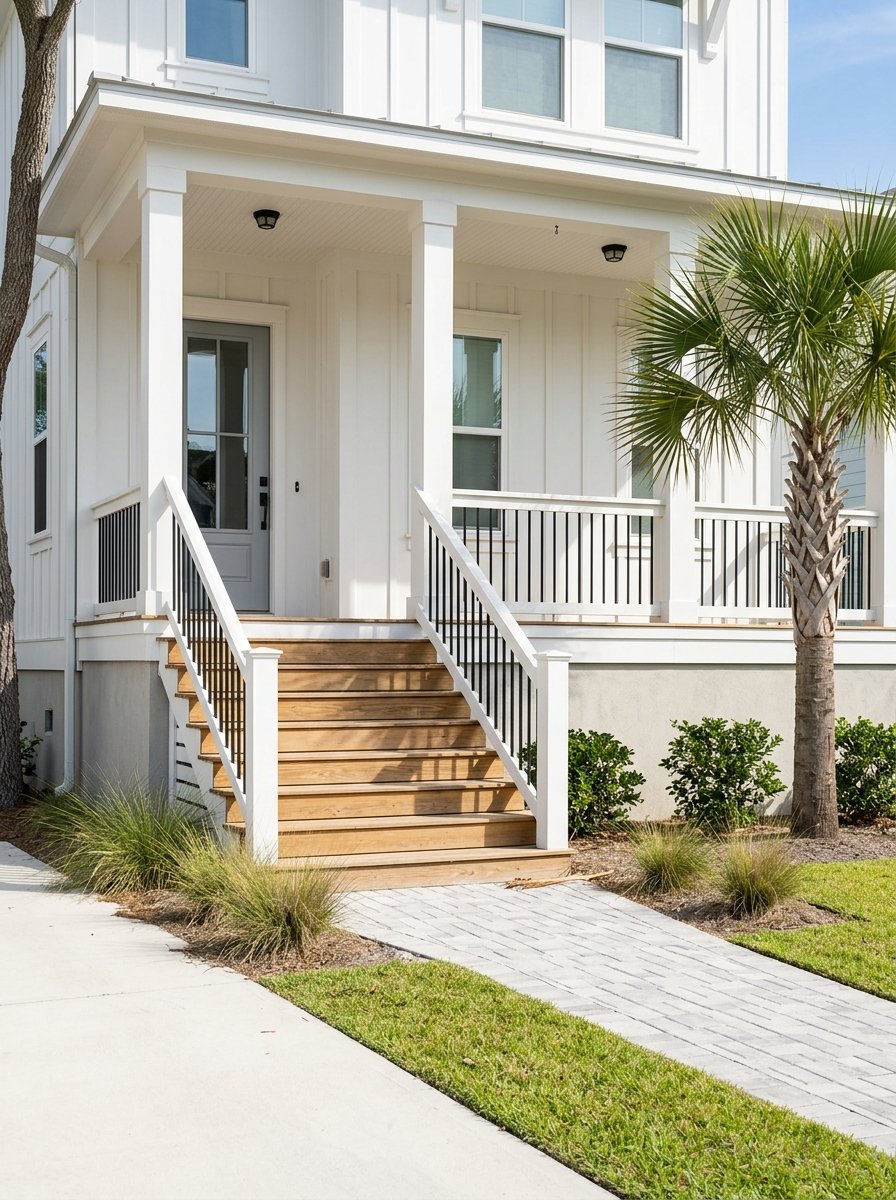
When you are narrowing down properties on Cape San Blas, focus on the details that support both enjoyment and operations. The best fit is not always the biggest or most expensive home. It is the property that matches local guest demand, your budget, and your comfort level with ongoing management.
A smart buying checklist may include:
- Beach or bay proximity
- Ease of beach access
- Bedroom count and layout flexibility
- Outdoor living space
- Pool or elevator, if important to your target guest
- Flood-zone and evacuation-zone review
- Insurance availability and timing
- Licensing path and inspection requirements
- Expected maintenance intensity
- Whether local management support is needed
The Bottom Line for Cape San Blas Buyers
Owning a vacation rental on Cape San Blas can be a strong lifestyle and investment move if you buy with clear eyes. The area attracts guests who value natural beauty, beach access, and a quieter coastal pace, but success here also depends on understanding licenses, taxes, flood risk, maintenance, and guest expectations.
If you want local guidance as you compare properties in Cape San Blas or across the Forgotten Coast, connect with Margaret Buell-D'Ambrosi. You can get grounded, on-the-ground insight to help you buy with confidence.
FAQs
What makes Cape San Blas different for vacation rental ownership?
- Cape San Blas stands out for its low-rise, nature-focused setting, with demand tied to beaches, bay access, trails, and a quieter visitor experience rather than a high-density resort atmosphere.
What features help a Cape San Blas vacation rental attract bookings?
- Features commonly promoted in the local market include Gulf-front or beach-view locations, private pools, elevators, multiple bedrooms, outdoor showers, decks, high-speed Wi-Fi, and easy beach access.
What taxes apply to short-term rentals in Gulf County, Florida?
- Based on the Florida Department of Revenue and Gulf County tourism guidance, short-term rentals may involve 6% state sales tax, 1% Gulf County discretionary surtax, and a 5% Gulf County Tourist Development Tax on qualifying stays.
What should buyers check about flood risk for Cape San Blas property?
- You should review flood zones, evacuation zones, insurance needs, and potential waiting periods for flood coverage, using county tools like the GIS map and flood-protection resources.
What beach rules should Cape San Blas vacation rental owners share with guests?
- Owners should clearly communicate local rules on beach driving permits, speed limits, Leave No Trace requirements, removal of beach gear after sunset, hole filling, leash rules for pets, and other posted beach-safety guidance.