Dreaming about a second home where sunsets feel like part of your daily routine? St. Joe Beach stands out for buyers who want a laid-back coastal setting without the high-rise feel found in some Florida beach markets. If you are thinking about buying here, it helps to understand not just the lifestyle, but also the flood, permitting, tax, and rental details that can shape your decision. Let’s dive in.
Why St. Joe Beach Appeals
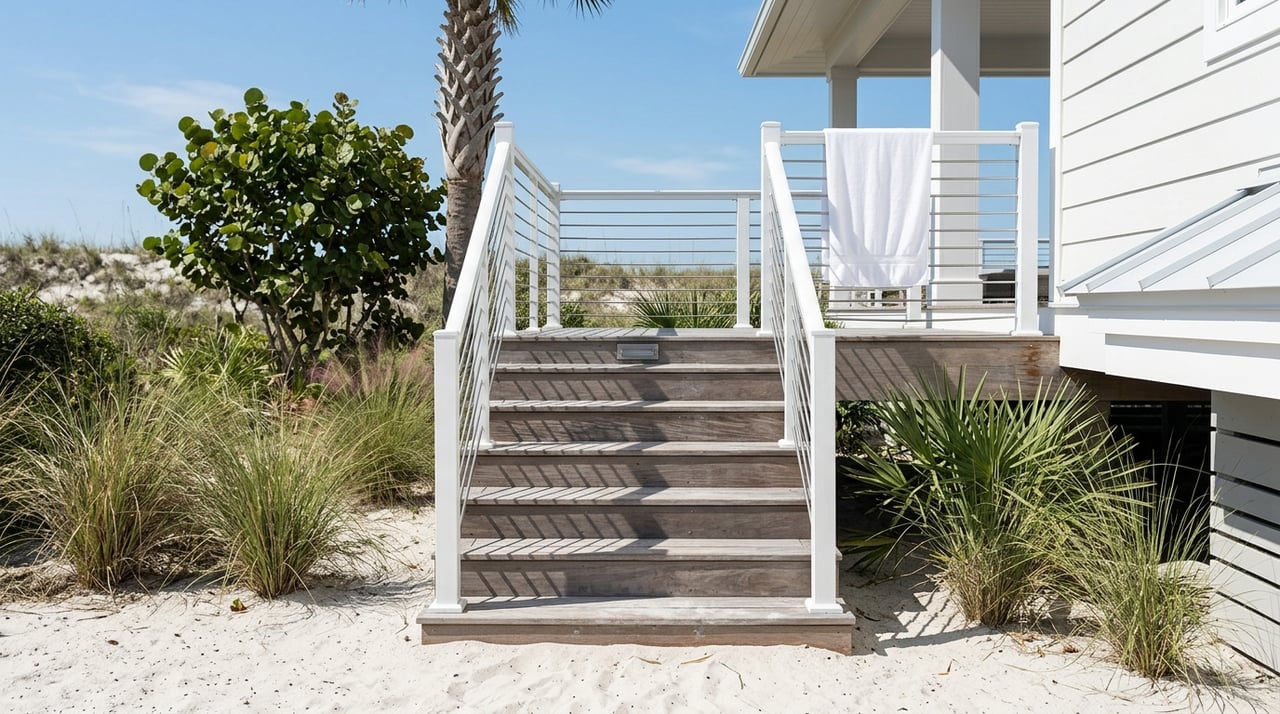
St. Joe Beach sits on the western edge of Gulf County near the Bay County line, about 10 minutes from Port St. Joe. Gulf County describes the area as part of The Beaches and notes that the shoreline faces west, which gives owners a front-row seat to sunset views. The area is also known for having many vacation homes, which makes it especially relevant for second-home buyers.
Another part of the appeal is the overall setting. Gulf County highlights that the area has no high-rises or busy highways, which points to a lower-density beach market centered more on homes than tower condos. If you want a coastal property with a quieter feel, that local character matters.
What Ownership Feels Like
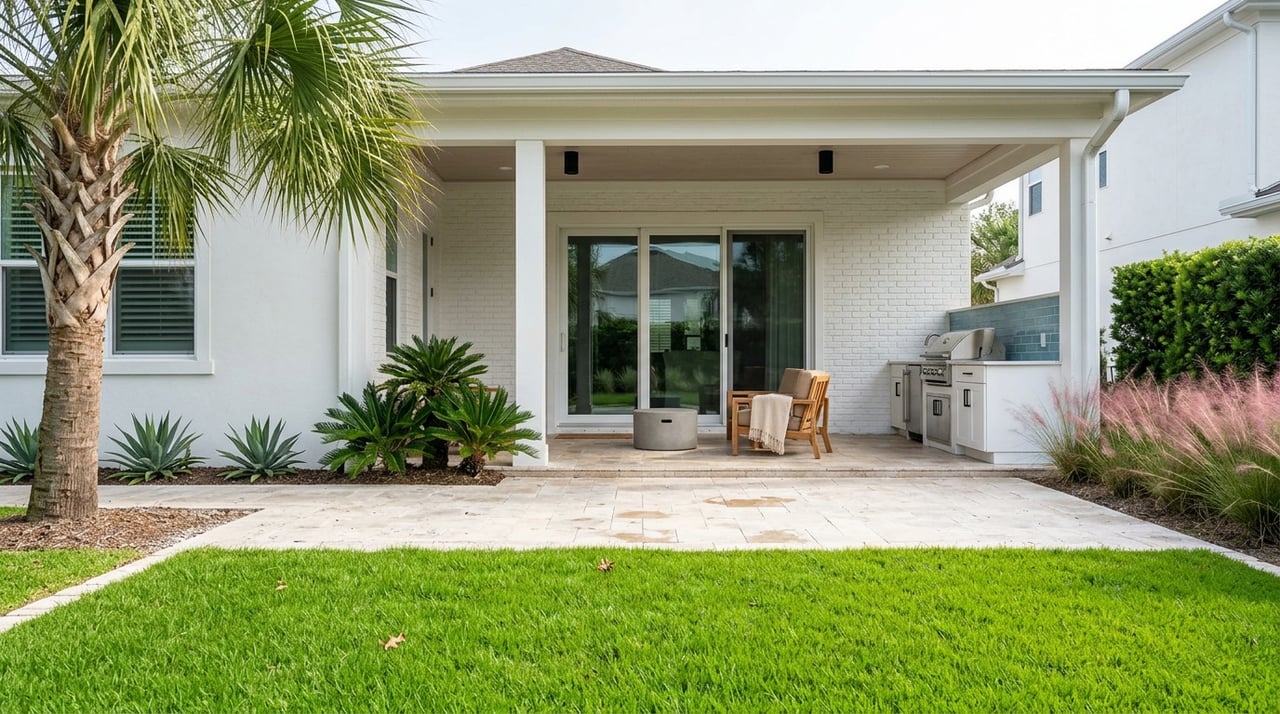
Buying a second home in St. Joe Beach is about more than the house itself. Gulf County points to 43 miles of shoreline, public beach access points, pet-friendly beaches, and paved walking and biking trails at WindMark Beach nearby. In day-to-day ownership, access, beach rules, and outdoor use become part of how you actually live in and enjoy the property.
That is especially true if you plan to split your time between personal use and hosting guests. Gulf County’s tourism and beach resources make it clear that public access and responsible beach use are part of the local experience. A property that looks great on paper may feel very different depending on how easy it is to reach the beach and how you plan to use it.
Start With Flood Due Diligence
In a coastal market like St. Joe Beach, flood review should happen early. Gulf County’s flood office maintains flood maps, elevation certificates, letters of map amendment, historical flooding records, coastal barrier resource information, and flood insurance studies. The county also advises buyers to use GoMaps to check whether a property is in the Special Flood Hazard Area.
This matters because flood risk is not limited to one map category. The county says homeowners insurance does not cover flood damage, flood insurance has a 30-day waiting period, and about 30% of flood claims come from Zone X. In other words, even homes outside higher-risk flood zones still deserve careful review.
If you are comparing homes, ask for the flood map and any available elevation documentation before you get too far along. Gulf County also says it can arrange site visits and one-on-one advice on flooding, drainage, and sewer issues. That kind of local information can help you look past the listing photos and understand the true ownership picture.
Check Coastal Construction Rules
If you are buying a move-in-ready home, this may not feel urgent at first. But if your plan includes a lot purchase, a major renovation, a tear-down, or a rebuild near the water, coastal permitting should be on your checklist right away. Florida DEP says the Coastal Construction Control Line Program regulates structures and activities that can affect beach erosion, dunes, upland properties, or public access.
The rules can be more stringent for construction seaward of the line. That means the parcel’s location can affect what you build, how you design it, and what approvals you may need. For second-home buyers thinking long term, this is a big piece of due diligence.
Look Beyond Square Footage
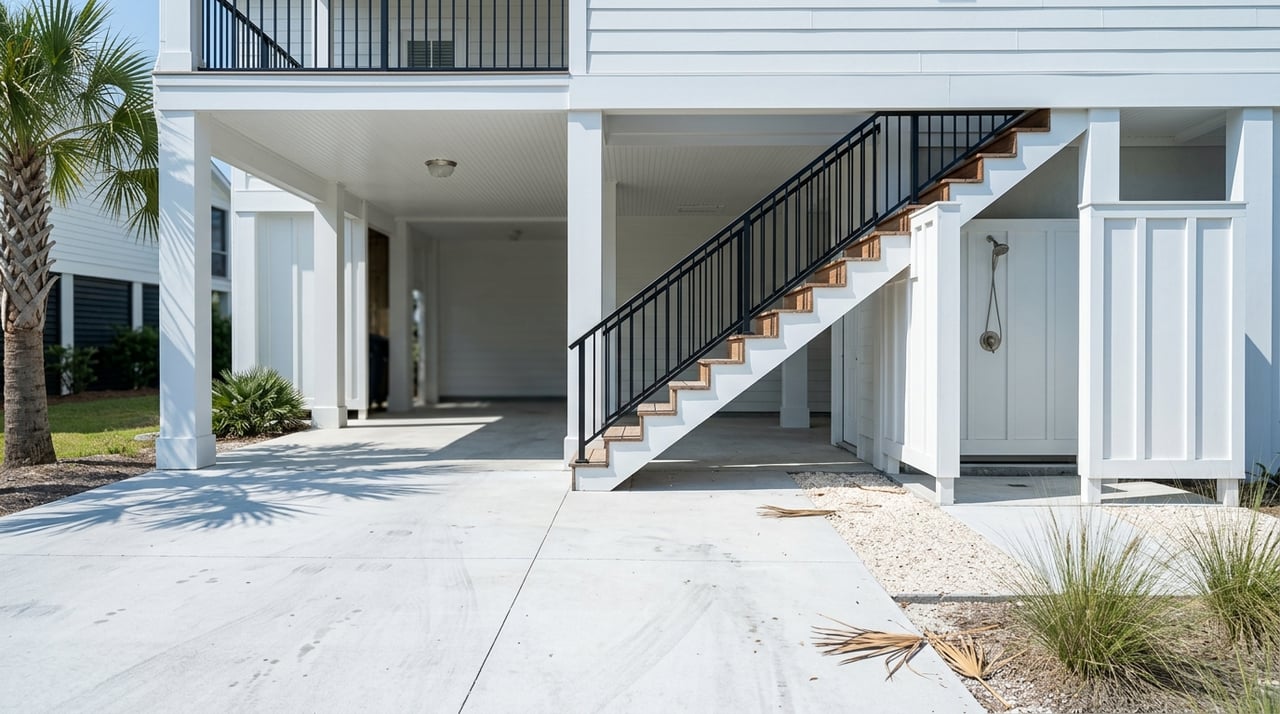
Beach homes often come with practical systems and compliance details that matter just as much as layout. Gulf County says it has adopted the Florida Building Code 2023, eighth edition. The county also notes that landowners must verify county ordinance and density requirements before submitting permits, or applications may be denied.
If the home has septic, there is another local detail to confirm. Gulf County says that as of January 1, 2025, septic permits are issued through the Florida Department of Environmental Protection rather than the county environmental health department. If you are buying an older home or a property that may need updates, it is smart to verify the permit path and prior records.
For buyers eyeing future rental use, county materials also reference a Short Term Vacation Rental Business License and a Gulf County Rental Inspection Record. That is a good reminder to confirm permit history and any rental-related compliance before closing.
Budget for the Real Cost of a Second Home
Second-home ownership costs in St. Joe Beach can be very different from primary-home ownership. One major example is homestead exemption. Gulf County’s property appraiser says homestead applies only to a Florida resident’s permanent legal residence, and the office warns that claiming homestead on a non-primary residence is homestead fraud.
If this home will remain a second home, you should not assume homestead savings will apply. That can affect your long-term numbers more than many out-of-area buyers expect.
Property taxes are also parcel-specific. Gulf County’s 2025 millage chart shows total rates ranging from 10.9427 mills to 17.0560 mills across tax districts. Instead of estimating taxes based on the ZIP code alone, you will want to review the exact parcel because local district charges can change the bill.
Insurance is another major line item. Gulf County’s flood office says flood insurance is available through the National Flood Insurance Program, that homeowner policies do not cover rising water, and that a 30-day waiting period applies before a new flood policy takes effect. The county also notes that its CRS program can reduce flood insurance rates by 5% to 40% depending on qualifying activities.
If you are building a real budget, include more than principal, interest, taxes, and standard insurance. For owners who may rent at times, common carrying costs can also include maintenance, utilities, insurance, taxes, and mortgage interest. A beach second home usually works best when you plan for the full ownership picture upfront.
Renting the Home Part-Time
Many buyers consider offsetting costs with occasional short-term rentals. In St. Joe Beach, that means learning the local rules early instead of after closing. Gulf County defines a short-term rental as a legally licensed dwelling unit used for overnight stays on transient rentals of six months or less per occurrence.
The county also says that any owner renting that way must register to pay Tourist Development Tax. Gulf County’s Tourist Development Council says the tax rate is 5% on overnight stays. It also states that the revenue supports parks, beaches, public facilities, events, public safety, and tourism management.
The taxable base is broader than many owners expect. Gulf County says gross short-term rent includes non-optional charges such as booking fees, reservation fees, cleaning fees, pet charges, and extra-person or extra-bed fees. Payments are due monthly by the 20th of the following month, even if there was no rental activity.
Platform assumptions can also create problems. Gulf County says Airbnb and Vrbo do not collect or remit the county Tourist Development Tax on an owner’s behalf. The county also notes that property managers may collect and remit under their own tax ID, but owners remain responsible if taxes are not handled correctly.
Florida tax compliance can add another layer. Gulf County notes that owners may still need to register with the Florida Department of Revenue, and Florida DOR says transient rental taxes are separate from the state sales tax and discretionary sales surtax. Florida’s general state sales tax rate is 6%.
Personal Use and Rental Use
If you plan to enjoy the home yourself and rent it only part of the year, your recordkeeping matters. IRS Topic 415 says that if you rent a vacation home for fewer than 15 days and use it as a home, you generally do not report the rental income. It also says that if you use a property both personally and as a rental, you generally must divide expenses between the two uses based on days used.
That means day counts matter. Even for a casual rental plan, keeping a clean calendar of owner days and guest days can help you understand the property’s tax treatment and true performance.
Guest Setup Matters Too
If your second home may host renters, think about the guest experience and compliance from day one. Gulf County’s beaches page asks visitors to follow the Leave No Trace Ordinance. County ordinance materials also show that signage is required at beach access points and in daily, weekly, and monthly rental units.
In practical terms, that means your property should be set up with clear guest instructions. A smooth rental operation in St. Joe Beach is not just about décor and booking photos. It also depends on local compliance, beach-use guidance, and clear expectations for guests.
Questions To Ask Before You Offer
Before you write an offer on a St. Joe Beach second home, keep these local questions front and center:
- Is the property in a Special Flood Hazard Area?
- Can you review the flood map, elevation certificate, and any map amendment history?
- Is the parcel subject to Coastal Construction Control Line rules?
- If the home has septic, what is the current permit status?
- If you may rent it, what local licensing, inspection, tax, and signage steps apply?
- What are the taxes for the exact parcel and tax district?
- Will this remain a second home, or could it become your primary residence later?
Each of these questions can affect your costs, your flexibility, or your long-term plans. In a coastal market, the best purchase decisions usually come from strong local due diligence, not just a fast emotional reaction to the view.
Buying With A Local Strategy
St. Joe Beach can be a great fit if you want a second home in a lower-density coastal setting with easy access to the water and a strong vacation-home culture. At the same time, the smartest buyers know that beach ownership comes with extra layers, especially around flood review, coastal construction rules, taxes, insurance, and rental compliance.
When you approach the process with a clear plan, you give yourself a better chance of buying the right property for the way you actually want to use it. Whether you are looking for a personal getaway, a future retirement option, or a home that may also produce rental income, local guidance can help you move forward with more confidence.
If you are thinking about buying a second home in St. Joe Beach, working with a team that knows the Port St. Joe and Forgotten Coast market can make the process much smoother. The Burkett Team can help you evaluate properties, compare ownership factors, and narrow in on the right coastal fit for your goals.
FAQs
What makes St. Joe Beach appealing for a second-home buyer?
- St. Joe Beach offers a lower-density coastal setting, west-facing sunsets, beach access, and a market known for vacation homes, all within a short drive of Port St. Joe.
What flood questions should a St. Joe Beach buyer ask?
- You should ask whether the property is in a Special Flood Hazard Area and request the flood map, elevation certificate, and any map amendment history available through Gulf County.
What should a buyer know about building near the beach in St. Joe Beach?
- If you are planning a lot purchase, rebuild, or major renovation near the water, you should confirm whether the parcel falls under Coastal Construction Control Line rules because additional siting and design standards may apply.
How are property taxes estimated for a second home in Gulf County?
- Property taxes should be estimated on the exact parcel because Gulf County millage rates vary by tax district rather than by ZIP code alone.
Can a second-home owner claim homestead exemption in St. Joe Beach?
- Homestead exemption applies only to a Florida resident’s permanent legal residence, so a true second home generally would not qualify.
What should a buyer know about renting out a St. Joe Beach second home?
- If you plan to rent the property for short-term stays, you should review local licensing, inspection, Tourist Development Tax, possible Florida tax registration, and required guest-facing signage before closing.